
The Concept of Luck in Gambling
Luck, often perceived as an unpredictable force, is central to the gambling experience. Many players believe that their fortunes at casinos can be swayed by chance, leading to both exhilarating wins and devastating losses. This belief is deeply ingrained in gambling culture, where players often engage in rituals or seek out good omens, hoping to enhance their odds at australian online casino games. The psychological aspect of this belief suggests that players may feel a connection between their actions and the outcomes they experience, despite the mathematical randomness of casino games.
In games such as slots or roulette, which are fundamentally based on luck, players may struggle to find significant influence from skill or strategy. Yet, it’s common for individuals to attribute their wins to lucky streaks. Cognitive biases explain this phenomenon; players often remember their fortunate moments while overlooking losses, reinforcing the belief that luck is a powerful ally in their gambling endeavors. This selective memory further entrenches the idea that fortune can be influenced through personal actions or behaviors, creating a cycle of hope and disappointment.
Moreover, the role of luck is intricately linked to a player’s emotional and psychological state. Those who approach games with a positive mindset might be more inclined to take risks or immerse themselves, potentially altering their betting strategies. This interplay between emotional well-being and perceived luck can cultivate a self-fulfilling prophecy, influencing their overall casino experience and shaping their approach to gambling. Ultimately, luck becomes not just a random occurrence but a psychological framework around which many gambling experiences are organized.
The Role of Mathematics and Probability
While luck plays a significant role in casino games, the principles of mathematics and probability provide a clearer understanding of player expectations. Each game is designed with specific odds, defining the likelihood of various outcomes. For instance, in skill-based games like blackjack or poker, knowledgeable players can improve their chances through strategic decision-making and a comprehensive grasp of the rules. Nevertheless, even the most advanced strategies cannot alter the fundamental probabilities that govern these games.
Understanding these underlying probabilities is crucial for players looking to adopt a more calculated approach. Awareness of the house edge in different games can empower players to make informed choices about where to play and how much to wager. Even in purely random games, such as slot machines, knowing payout percentages helps players determine how long to engage with a game. Unfortunately, many gamblers overlook these essential statistics, often prioritizing luck over informed gameplay, which can lead to detrimental financial outcomes.

This mathematical foundation serves as a reminder that while luck may influence short-term results, the long-term outcomes are predominantly determined by the inherent odds of each game. Skilled gamblers typically embrace a more analytical mindset, relying on statistical data and probabilities rather than solely depending on luck to dictate their success. This approach fosters sustainable gambling practices, ensuring that enjoyment takes precedence over the fleeting notion of being fortunate, ultimately leading to a more fulfilling gaming experience.
Psychological Aspects of Luck and Gambling
The psychology of gambling is complex, intertwined with the concept of luck. Players often classify themselves as either lucky or unlucky based on past experiences, and this self-perception can significantly influence their future gambling strategies. A player who has recently enjoyed a winning streak may enter the casino with increased confidence, prompting them to place larger bets in an effort to replicate their success. Conversely, a player who has faced a series of losses might avoid certain games, fearing further misfortune.
This psychological lens reveals that luck extends beyond mere chance; it is deeply affected by an individual’s mindset. The prevalence of “lucky” rituals—like wearing specific clothing or carrying talismans—illustrates how players attempt to exert control over their luck. Engaging in these behaviors can create a comforting illusion of agency in a setting that is fundamentally unpredictable, reflecting the human tendency to seek patterns amidst randomness. This aspect of gambling taps into deeper psychological needs for control and predictability in uncertain situations.
Furthermore, the design of casinos amplifies these psychological factors. Elements such as ambient noise, dazzling lights, and an overall celebratory atmosphere create an exhilarating environment that encourages players to continue gambling. This stimulating environment often blurs the line between luck and strategy, as the engaging atmosphere can manipulate emotions, reinforcing the belief in luck while simultaneously fostering impulsive betting behaviors. Recognizing these psychological influences is vital for players aiming to navigate the casino landscape effectively and make informed decisions about their gambling practices.
Luck vs. Skill: Striking a Balance
The ongoing debate surrounding luck versus skill in gambling fascinates many enthusiasts. Certain games, such as slots and roulette, are largely reliant on chance, while others, like poker and blackjack, require a significant amount of skill and strategy. In these skill-oriented games, mastering the fundamentals can dramatically improve a player’s odds, thereby diminishing the influence of luck on outcomes. Those who invest time in honing their skills often find that their efforts yield more consistent and favorable results.
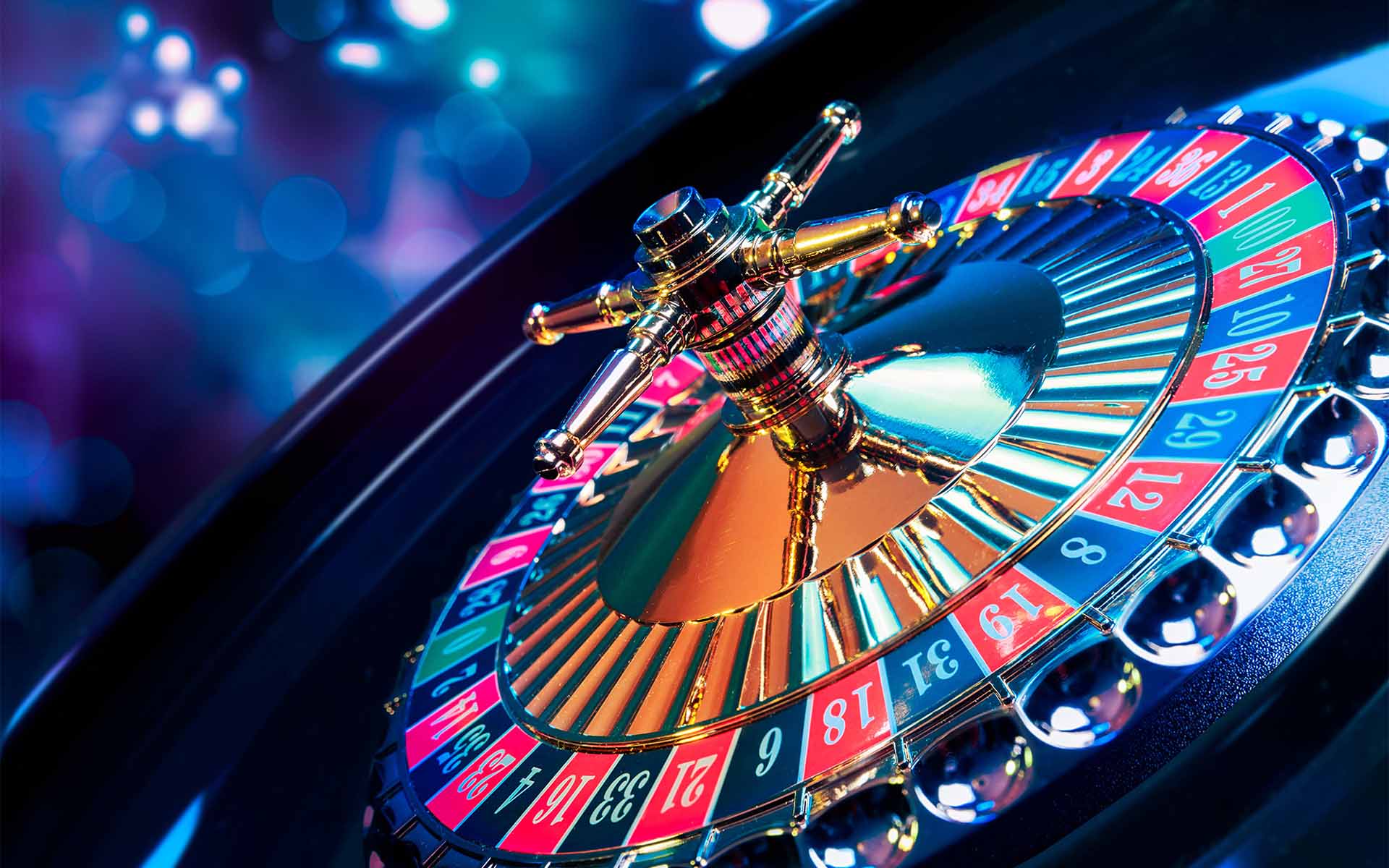
However, it is vital to recognize that even in skill-based games, luck cannot be entirely dismissed. A skilled poker player might still face an unfortunate sequence of cards that can dramatically shift the outcome of a hand. This inherent volatility contributes to the excitement and uncertainty of gambling, where skill can enhance the likelihood of winning, but luck remains an unpredictable element. Such dynamics necessitate that players acknowledge the interplay between both aspects in their gaming strategies.
Accepting this complexity can lead to a richer understanding of gambling as an activity. Players who embrace the unpredictability of luck while simultaneously refining their skills can cultivate a more rewarding experience. This combination elevates the enjoyment factor, transforming gambling into a balanced interplay of chance and strategy rather than reducing it to a simplistic notion of luck versus loss.
Exploring Responsible Gaming Practices
While luck undeniably influences casino outcomes, engaging in responsible gaming is crucial for players. Recognizing that outcomes are shaped by both chance and skill allows individuals to set realistic expectations for their gambling experiences. By acknowledging the inherent risks in gambling, players can develop strategies to manage their bankroll effectively, establish limits, and protect themselves from potential negative consequences associated with gaming.
Moreover, responsible gaming practices encourage individuals to view gambling as a form of entertainment rather than a way to generate income. This perspective can help mitigate the psychological reliance on luck and promote a healthier relationship with gambling activities. By focusing on the enjoyment of the experience rather than fixating on winning or losing, players can significantly reduce the emotional stress linked to outcomes, leading to a more balanced and enjoyable gaming experience.
Many casinos and online gaming platforms actively promote responsible gaming initiatives, providing resources and tools for players to assess their gaming behaviors. Engaging with these initiatives can enrich the gambling experience, empowering individuals to prioritize their well-being while still enjoying moments of excitement and potential luck. In this context, the coexistence of luck and skill can be celebrated within a framework of responsibility, ensuring that gambling remains an enjoyable and fun activity for all involved.